DTF, screen printing, or embroidery: which printing technique suits your clothing best?
You want to have clothing printed for your team, your event, or your brand. You have the design, but then you have to choose: DTF, screen printing, embroidery… it might sound like three times the same thing, but believe us: the difference is significant. And that is exactly where the puzzle begins. Because what is actually smarter? What stays looking good longer? And what is simply practical for your print run?
The short answer: there is no winner. The longer answer: it depends on what you are using it for, how many you need, and what it needs to look like. A festival t-shirt has different requirements to a t-shirt being used as branded workwearworkwear. And a hoodie is different to a basic sweater.
In this blog, we clearly explain the differences. This way, you know exactly which printing technique works best for your order.
Article Contents
- What is DTF?
- What is screen printing?
- What is embroidery?
- Quick Comparison
- Which technique suits your design?
- Request your FREE Digital Fashion Lookbook
What is DTF?
DTF stands for Direct to Film. Your design is first printed on a special film and then applied to the garment using heat.
Sounds technical, but actually what it means for you is a lot of choice and options.
When should you choose DTF printing?
DTF printing is a smart choice if you want freedom in your design and quantities:
- Suitable for small runs, samples, or personalised items
- Ideal for detailed and full-colour designs
- Works on various materials such as cotton and polyester
- Fast production and low setup costs
- Also possible on dark clothing thanks to white ink
When is DTF less suitable?
DTF is not the best choice in every situation. Are you suddenly going to print hundreds of shirts with the same design? Then DTF is usually not your cheapest option. This is because each print is produced individually, meaning the price per piece does not drop as quickly.
And are you looking for a luxurious, tactile finish? Then DTF is not always the best match either. The print lies on the fabric and feels smooth, whereas sometimes you actually want a bit more texture or relief.
What is screen printing?
Screen printing is a technique in which ink is applied directly to the textile via a screen. A separate screen is made for each colour in the design.
The process requires some preparation, but yields a strong and consistent result. That is why screen printing has been a popular choice for larger print runs for many years.
When should you choose screen printing?
Screen printing is a good choice if you work with larger quantities:
- Ideal for larger print runs and repeat orders
- Durable prints that stay beautiful for a long time
- Colours are bright and opaque
- Perfect for clear logos and larger prints
- Widely used for merchandise and events
When is screen printing less suitable?
Do you work with small quantities, personalised items, or a design that changes frequently? Then screen printing quickly becomes impractical. After all, a separate preparation is required for every variant and colour, which you have to set up again every time.
In short: less flexible, but rock-solid if used correctly.
What is embroidery?
With embroidery, your design is stitched directly into the fabric using thread. The result does not lie on the fabric, but is incorporated into it.
This creates a very different effect from printing. It looks calmer, sturdier, and often more luxurious.
When should you choose embroidery?
Embroidery is ideal if appearance and durability are important:
- Luxurious and professional look
- Stays looking good for a long time, even after frequent washing
- Adds texture and depth
- Perfect for logos on polos, hoodies, workwear, or caps
When is embroidery less suitable?
Embroidery isn’t always the best match for thin T-shirts. The fabric can start to stretch and it can quickly feel a bit heavier. If the design has with small details or colour gradients, then embroidery quickly becomes a challenge.
So, embroidery isn’t a jack-of-all-trades, but it is the choice when appearance matters.
Quick comparison
| Technique | DTF | Screen printing | Embroidery |
| Best for: | small quantities, lots of detail and multiple colours | large print runs and large designs | premium logos, workwear and hoodies |
| Benefits: | flexile and fast | sustainable and efficient at scale | luxurious appearance and long lifespan |
| Be aware of: | less advantageous for larger quantities | more preparation needed | less suitable for thin fabrics and complex designs |
Which technique suits your design?
You just want to know: what is the best choice for me? That makes sense. The choice often lies in the details of your design and how you plan to use it. Fortunately, you don’t have to figure that out yourself.
Undecided between DTF, screen printing, and embroidery? Choose your garment and email your design to hello@print.com. We will then advise you on which technique best suits your order.
Request your FREE digital Fashion Lookbook
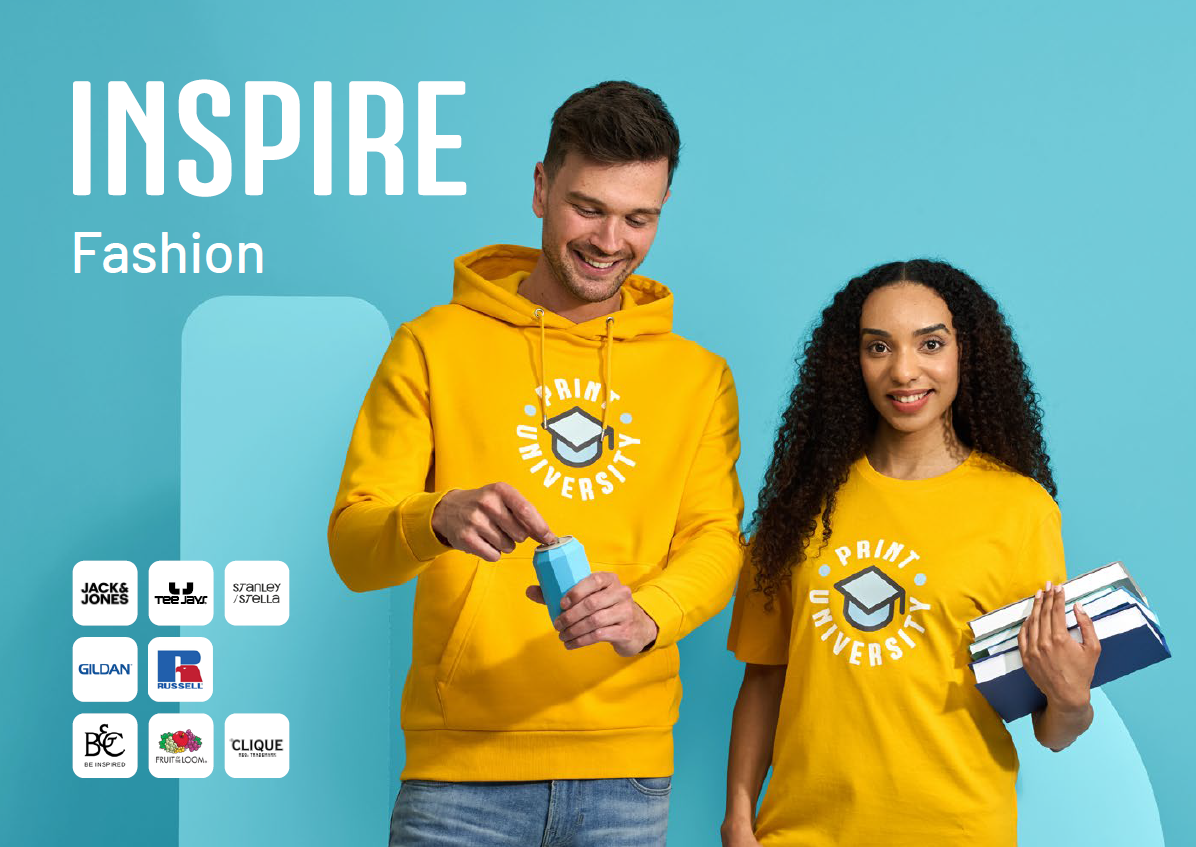
With over 100 products in our clothing range, it can be difficult to distinguish the zoodies from the jumpers sometimes! That’s why we’ve gathered everything together in one convenient handy tool: the Fashion Lookbook.
The Fashion Lookbook gives you a complete overview of our clothing range, making it easy to explore by:
- Product type
- Brand
- Price range
Whether you’re helping customers choose the right garments or sharing options with colleagues, the Lookbook makes finding the perfect fit simple. Best of all, it’s completely free, digital, and easy to download. Plus, there’s no Print.com branding, so you can use it confidently in any customer-facing situation.
Want to take a look at our extensive clothing range? Log in or register for free.
0800 098 1026 | hello@print.com
Follow us on socials:


.
Related articles
-

12 design tips for shipping boxes with a ‘wow factor’
15 July 2026A shipping box is really just some cardboard stuck together. It gets your product safely from A to B. But… it’s also the first physical encounter with your brand. And if you’re going to need one anyway, why let that opportunity go to waste? With clever printing, you can turn a box into more than just packaging.
-

This is how to build a complete exhibition stand with one simple gadget
19 March 2026Do you have a trade show coming up? Then the search begins for the right materials for your booth. Banners, panels, displays: everything has to be right. No trade show is the same, so after the show there is often a pile of material left over.
